


Audio Learning: How to Learn by Listening
Audio learning, explained: what the research says, what you can learn by ear and what not, and 7 habits that make listening stick, with free sources.

Audio learning means learning by listening to lectures, podcasts, audiobooks or text read aloud. For most prose it works about as well as reading: a meta-analysis of 46 studies found no reliable difference in comprehension. It works best with full attention, pauses to recall what you heard, and visuals for anything technical.
For stories, explanations and arguments, listening and reading lead to similar comprehension in most studies.
Listening loses its edge on math, diagrams, tables and anything you need to scan or look up; pair those with the page.
Your mind wanders more when you listen, so build in pauses to recall the main point.
"Auditory learner" is a myth: everyone can learn by ear, and no one learns only that way.
The best audio learning mixes listening with active work: recalling, explaining, note-taking and spaced relistening.
Audio learning means learning by listening: lectures, podcasts, audiobooks, language courses, or your own readings and notes read aloud by text to speech. For most prose it works about as well as reading. It works best when you listen with full attention, stop to recall what you heard, and keep math, diagrams and tables on the page.
Below: what the research says, what you can and can't learn well by ear, seven habits that make listening stick, and free places to start.
What is audio learning?
Audio learning is any learning where listening is the main input. The common forms:
| Form | Good for | Watch out for |
|---|---|---|
| Lectures and recorded classes | Course content, explanations | Slides and board work you can't see |
| Podcasts | Current topics, interviews, overviews | Uneven accuracy; check sources |
| Audiobooks | Nonfiction, history, literature | Long, so easy to drift |
| Text to speech | Your own readings, PDFs, articles, notes | Tables and equations don't read well aloud |
| Language audio | Pronunciation, listening comprehension | Too fast too soon |
| Your own voice | Explaining a topic aloud, recorded summaries | Takes effort, which is the point |
The advantage is when and where it fits: walks, commutes, chores and workouts, plus times your eyes need a rest from screens.
Does audio learning work? What the research says
Yes, for most material. The research also shows where it falls short.
Listening and reading lead to similar comprehension
A 2021 meta-analysis in Review of Educational Research by Virginia Clinton-Lisell pooled 46 studies with 4,687 participants. Overall, reading and listening comprehension were not reliably different. Reading had a small advantage when readers set their own pace, which lets them slow down and reread.
A 2016 study in SAGE Open gave adults the same nonfiction chapter as an audiobook, an e-text, or both at once. Comprehension didn't differ between the groups, either right away or two weeks later.
In short, when you understand a sentence, it matters little whether it arrived through your eyes or your ears. What differs is control: a page lets you pause, skip back and scan, and a voice keeps moving unless you stop it.
Your mind wanders more when you listen
In a 2013 study in Frontiers in Psychology, people who listened to a text mind-wandered more and remembered less than people who read it silently or aloud. Listening is easy to do half-heartedly. The habits below exist to fix that.
Audio plus visuals beats either alone, sometimes
Narration with pictures often teaches better than pictures with on-screen text, especially when learners can't control the pace. A 2005 meta-analysis by Paul Ginns of 43 effects found this "modality effect" was strongest for system-paced material. It shrinks when learners control the pace, and a later reanalysis suggested the true effect is smaller than first reported. The practical lesson: when there's something to look at, look at it while you listen.
"Auditory learner" isn't a real category
The idea that some people learn best by ear and should be taught that way doesn't hold up. A 2008 review of learning-styles research by Pashler and colleagues found no adequate evidence that matching instruction to a preferred style improves learning. Everyone can learn by listening; the material matters more than the learner type.
What can you learn by listening, and what not?
Listen to prose. Look at symbols, structures and anything you need to scan.
| Learns well by ear | Learn with your eyes, or both |
|---|---|
| Arguments and explanations | Math, formulas and equations |
| History, biography and stories | Diagrams, maps, charts and tables |
| Case studies and examples | Code |
| Background reading for a course | Lists of names, dates or numbers to memorize |
| Review of material you've studied | Reference material you need to search |
| Language listening and pronunciation | Spelling and grammar rules |
When a text mixes both, listen to the prose and stop to look at the figures.
How to learn by listening: 7 habits that make it stick
- Give it your attention. Pair audio learning with things that don't need thought: walking, washing up, a familiar commute. Not with email.
- Preview first. Spend a minute on the chapter titles, episode notes or headings, so you know what you're listening for.
- Pause and recall. At the end of each section, stop and say the main point in your own words. This is retrieval practice, one of the two techniques rated high utility in a 2013 review of study methods.
- Read along for hard material. Following the text while you listen lets you glance back at a term or a sentence. See why reading while listening helps you remember.
- Take light notes in the pauses. One line per section is enough. Our guide on how to take notes while listening covers methods.
- Choose the speed for the material. 1× to 1.25× for new or dense content, faster for review. Here's how to listen at 2× and still understand.
- Relisten on a schedule. Test yourself a day or two later, then relisten only to what you missed. Spacing reviews over days beats one long session.
If you only adopt one habit, make it number 3. Pausing to recall turns listening from something that happens to you into something you do.
Where to fit audio learning into your day
- Commutes: short, repeated sessions suit review. Here's how to study while commuting.
- Walks: good for thinking through ideas; pause at the end to recall.
- Chores and cooking: good for audiobooks and long readings.
- Workouts: steady cardio can work for light material; hard intervals leave little attention to spare.
- Eye breaks: listen to the rest of a reading when you've been looking at screens all day.
Free places to start learning by listening
- Your library: apps like Libby lend audiobooks free with a library card.
- LibriVox: free public-domain audiobooks read by volunteers.
- Podcasts with transcripts: in Apple Podcasts, tap View Transcript on the Now Playing screen to follow along, where a transcript is available, per Apple.
- Built-in text to speech: every phone and computer can read text aloud for free. Our guide to studying with text to speech shows how on each device.
Audio learning with Speechly
Most of what you need to learn isn't an audiobook. It's PDFs, articles, handouts and notes. Speechly is a text-to-speech reader for students and lifelong learners on iPhone, iPad, Android, Mac and Windows that turns them into audio with 25+ natural AI voices.
- Download Speechly free. The free plan includes two text-to-speech files with premium voices; no card required.
- Open a PDF, Word document or EPUB, paste a link to an article, or take a photo of a printed page.
- Press play and follow the word-by-word highlighting when the material is hard.
- Set the speed anywhere from 0.5× to 2×, and tap any sentence to relisten.
- On a Mac, select text in any app and press ⌘E; on Windows, press Alt+R.
Speechly saves your place across devices, keeps reading with the screen off, and includes 75,000+ free public-domain books. If focus is the hard part, Speechly for ADHD covers read-along listening. Premium is $14.99/month or $139/year for unlimited listening; there's no offline listening.
The bottom line
Audio learning works for most of what you read: arguments, stories, explanations and review. Give it your attention, stop to recall what you heard, read along when it's hard, and keep math and diagrams on the page.
Frequently asked questions
Is audio learning effective?
Yes, for most spoken or written prose. A meta-analysis of 46 studies found reading and listening comprehension weren't reliably different overall. Reading had a small edge when readers could set their own pace, mostly because they could slow down and reread.
Am I an auditory learner?
Probably not in the way the term suggests. A major review of the learning-styles research found no adequate evidence that matching teaching to a preferred style improves learning. You may prefer listening, which is a fine reason to use it, but match the format to the material.
Can you learn just by listening to podcasts?
You can learn a lot, but passive listening fades fast. Pick episodes that fit what you're studying, pause to recall the main ideas, and write down one or two points afterward.
What is the best way to remember what you hear?
Recall it from memory. Pause after each section, say the main point in your own words, and test yourself again a day or two later before relistening.
Is audio learning good for people with dyslexia or ADHD?
Some people with dyslexia or ADHD find listening, especially while following the text, makes reading more accessible. It's a reading tool, not a treatment; a specialist can recommend the supports that fit you.
Is it better to listen and read at the same time?
For hard material, often yes. Following the words while you listen lets you glance back, and research on lectures finds visuals help most at faster speeds. For easy material, either one alone works.
Listen with Speechly
Natural AI voices on iPhone, iPad, Android, Mac and Windows, with word highlighting and your place saved on every device. Free to download.
Prices and features of other products were checked on November 18, 2026 and can change. Speechly is not affiliated with the other companies named here.
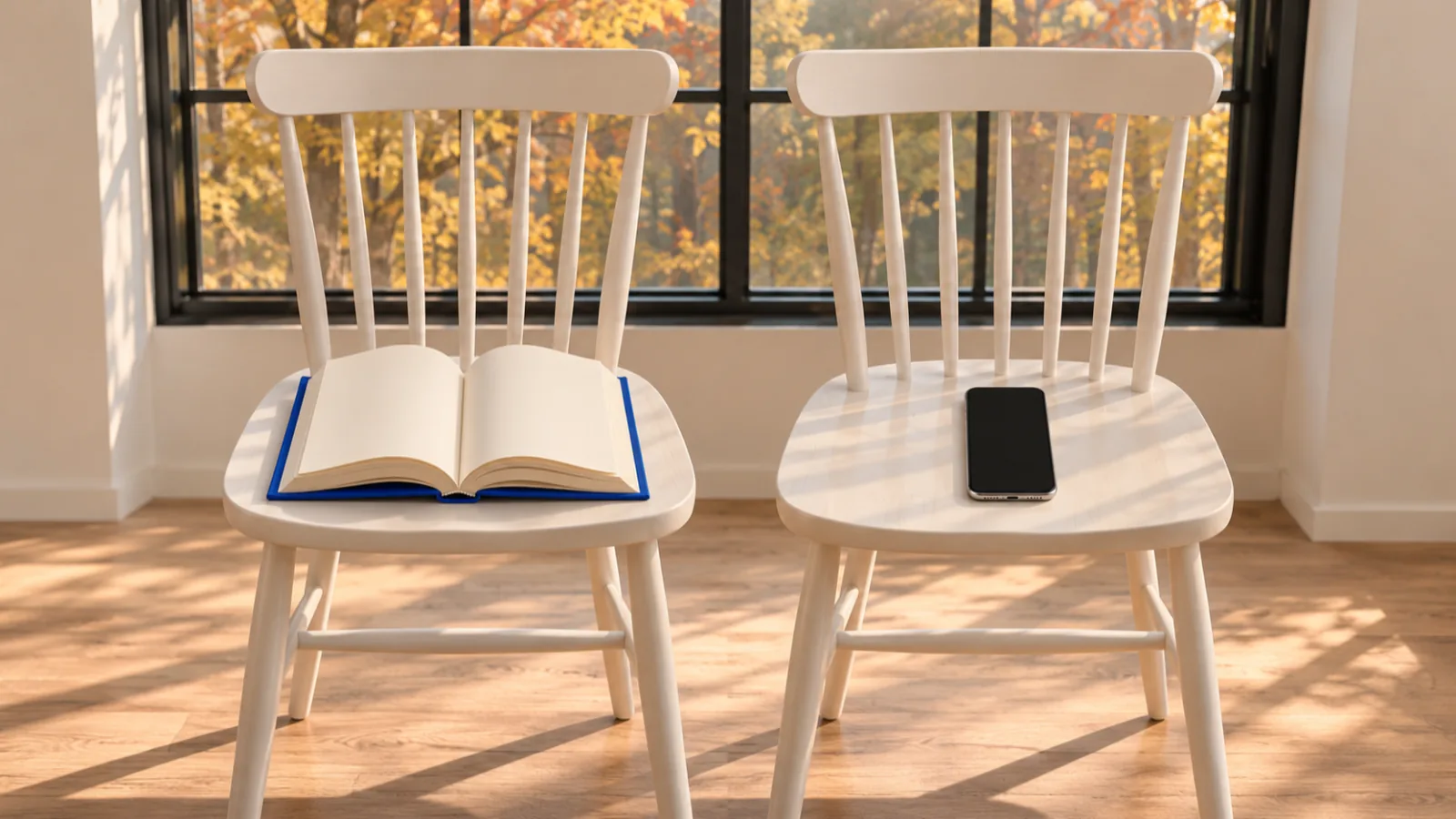
Listening vs Reading: Which Is Better for Comprehension?
Listening vs reading: 46 studies found no reliable comprehension gap. See when reading wins, when audio matches it, and how to remember more by ear.
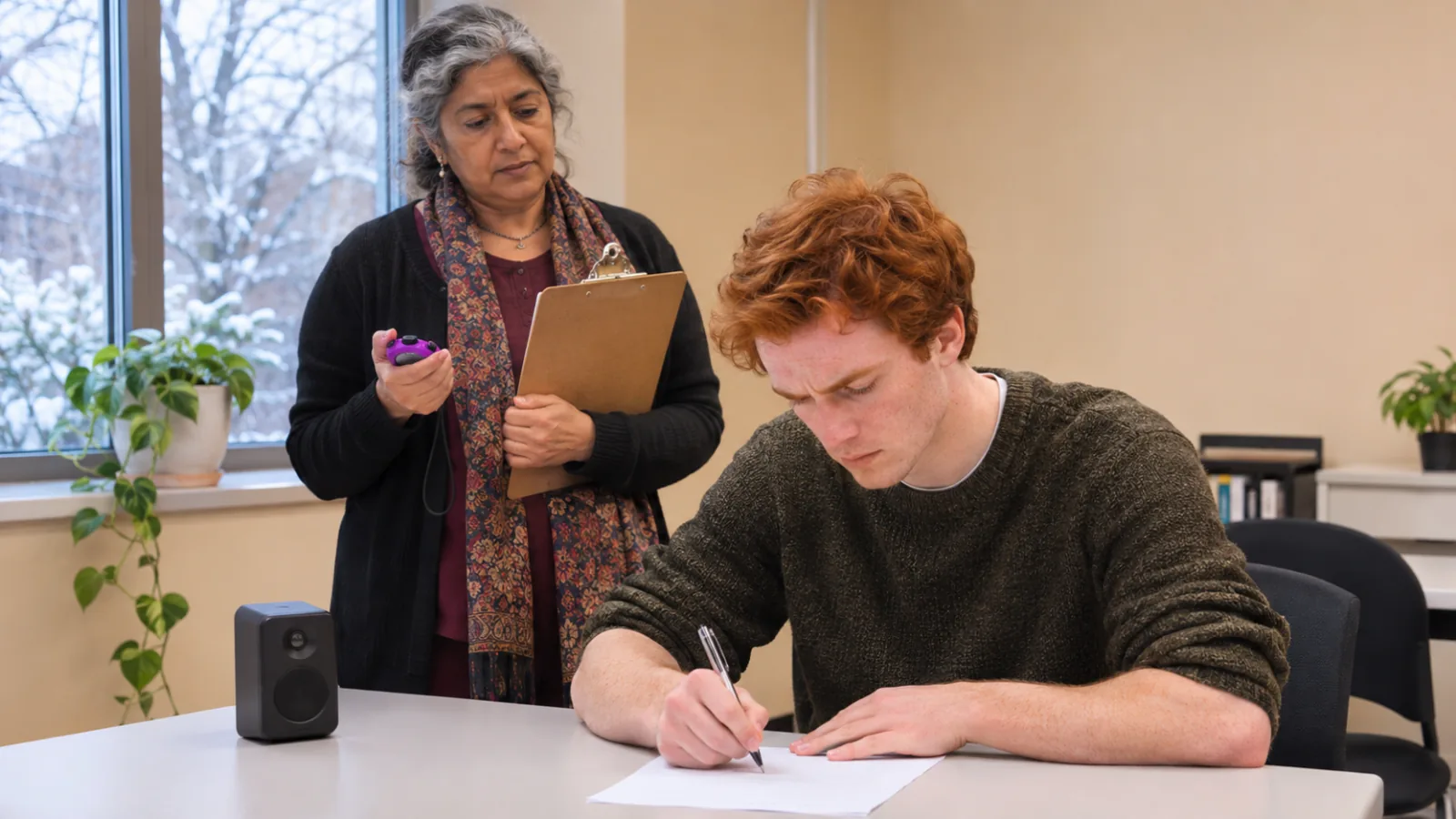
Does Listening Help You Study? What the Research Says
Does listening help you study? What the research says about audiobooks, lectures, music, white noise and sleep audio, plus a study routine that works.

How to Remember What You Listen To
How to remember what you listen to, from podcasts to lectures: 7 research-backed habits, including the 10-minute break that boosted recall a week later.