


How to Build a Daily Reading Habit That Sticks
How to build a daily reading habit that lasts: a 7-step plan starting at 10 minutes a day, how long it really takes, and how to restart after a slump.
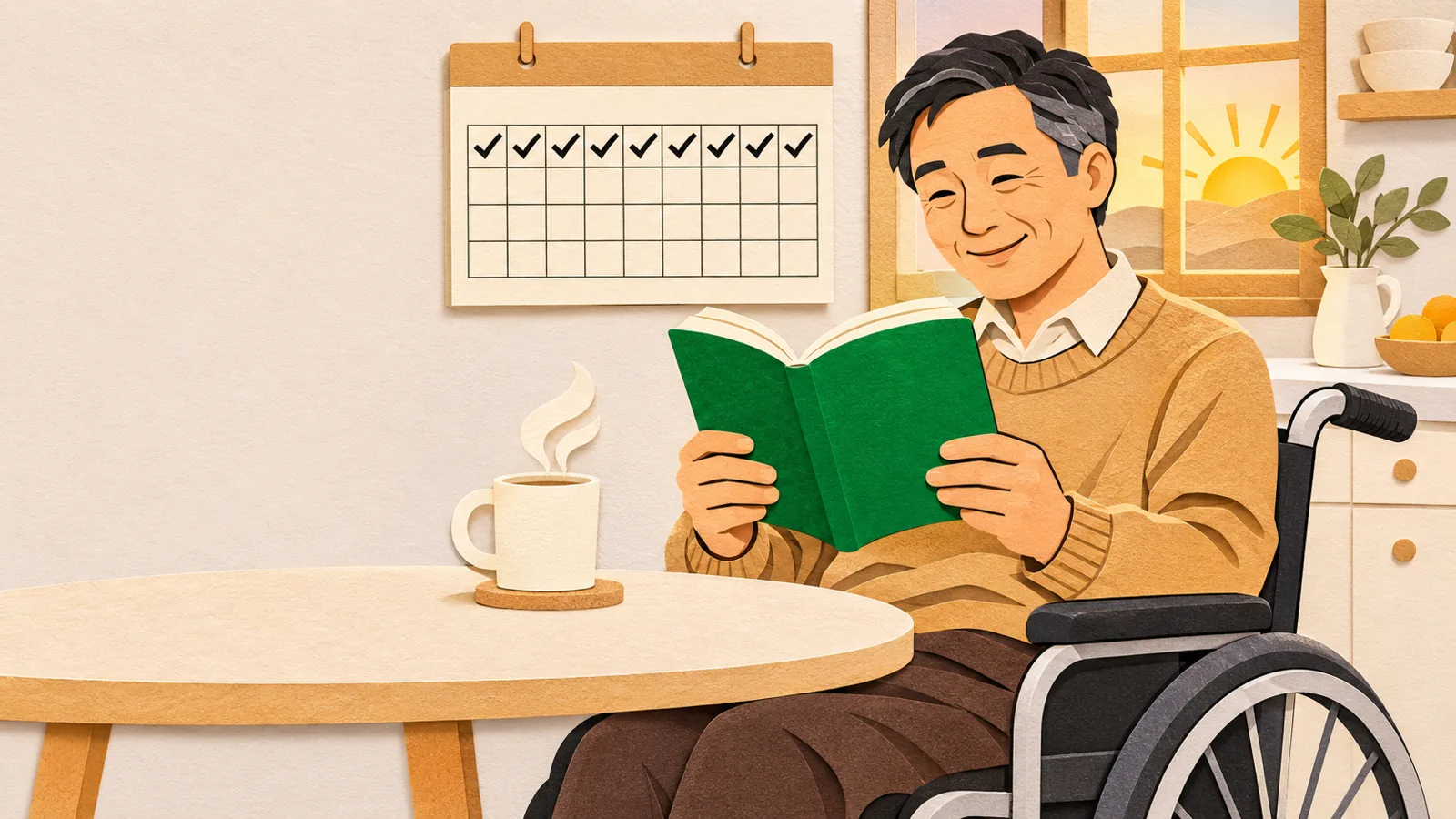
To build a daily reading habit, read a small fixed amount, such as 10 minutes, right after something you already do every day, keep the book where that happens, and never skip two days in a row. In habit studies, new daily routines typically took about two months to feel automatic, and some people needed far longer.
Start with a minimum you can hit on your worst day, such as 10 minutes or five pages. You can always read more, but the minimum is what you protect.
Write an if-then plan: "After I pour my morning coffee, I'll read at the kitchen table." A fixed cue removes the daily decision about when to read.
Plan for about two months. In the best-known habit study, new daily behaviors took a median of 66 days to become automatic, and one missed day made little difference.
Keep a backup format for busy days, such as an e-book on your phone, an audiobook or text to speech, so the streak survives commutes and chores.
If you miss a day, read the next day. If you miss a week, restart on the next Monday or the first of the month at your smallest minimum.
Here's how to build a daily reading habit that lasts: make it too small to skip and tie it to something you already do. Read for 10 minutes right after a fixed daily cue, keep the book where that cue happens, and never miss two days in a row. Give it about two months before you judge it.
Below you get a 7-step plan, a realistic timeline from habit research, daily minimums for different schedules and fixes for when the habit slips. Once reading is daily, these 15 habits for reading more books help you read more.
How to build a daily reading habit in 7 steps
- Set a minimum you can hit on your worst day. Ten minutes or five pages is enough. It's not your goal; it's the floor you protect. Apple Books sets its default daily goal at just five minutes.
- Write an if-then plan. "After I [existing habit], I will read for [minimum] at [place]." For example: "After I pour my morning coffee, I'll read at the kitchen table." Psychologists call these implementation intentions. A 2006 meta-analysis of 94 studies with more than 8,000 participants found they gave a medium-to-large boost to reaching goals compared with good intentions alone.
- Put the book where the cue happens. If your cue is coffee, the book lives next to the coffee maker. If it's bedtime, it sits on your pillow. Charge your phone in another room.
- Choose a book you actually want to read. Start easy: a short novel, a thriller or a favorite reread. Pick your next book before you finish this one, so there's no gap.
- Line up a backup format. Keep an e-book, audiobook or text-to-speech app on your phone for days you can't sit down with a book.
- Track it where you can see it. Tick a paper calendar on the fridge or set a reading goal in your e-book app. A visible streak is a small daily reward and shows which days you tend to skip. For accountability, tell a friend your minimum or join a book club.
- Never miss twice. One missed day is normal. Two in a row is how habits quietly end, so the day after a miss, read your minimum even if it's late and short.
How to set a daily reading goal in Apple Books
If you read on an iPhone, Apple Books has a built-in daily timer and sends a notification when you hit your goal or set a streak. According to Apple:
- Open Books and tap Home.
- Tap the reading goals button.
- Tap the reading goal timer, then tap Adjust Goal.
- Slide the counter to your daily minutes and tap Adjust Goal.
A yearly goal also counts the books and audiobooks you finish. For other trackers, see how to set and track reading goals.
How long does it take to build a reading habit?
Plan for about two months, and don't worry if it takes longer. The popular 21-day figure isn't backed by habit research.
In the best-known study, by Phillippa Lally and colleagues at UCL, participants did one new daily behavior in the same context, such as fruit with lunch or a run before dinner. Reaching a plateau of automaticity took a median of 66 days, with individual estimates from 18 to 254 days. Missing a single day barely affected the result, but many missed days did.
A 2024 review of 20 habit studies found the same pattern. In the four studies that measured how long habits took, medians ran 59 to 66 days, averages 106 to 154 days, and individuals anywhere from 4 to 335 days.
These studies tracked health habits such as exercise, diet and flossing, not reading, but the pattern holds up as a guide:
| Stage | What it feels like | What to do |
|---|---|---|
| Weeks 1–2 | Easy, because it's new | Hit your minimum every day; don't raise it yet |
| Weeks 3–6 | The novelty fades and you start forgetting | Lean on your cue, your streak and your backup format |
| Weeks 7–10 | You reach for the book without deciding to | Raise the minimum slightly if you want to |
| After that | Skipping feels odd | Protect the cue when your routine changes, such as on trips |
How much should you read every day?
Choose the smallest amount that still feels like reading, tied to a daily cue:
| Your day | Daily minimum | Cue and place |
|---|---|---|
| Early riser | 15 minutes | After the first coffee, at the kitchen table |
| Commuter | One commute | When the train or bus pulls away, or audio while driving |
| Busy parent | 10 minutes | After the kids are in bed, before turning on the TV |
| Office worker | 10 minutes | After lunch, before going back to your desk |
| Night owl | 5 pages | After brushing your teeth, in bed |
Ten minutes sounds small, but at the average adult reading speed of about 238 to 260 words per minute, it adds up to more than 850,000 words a year, roughly 11 to 12 typical-length books. If your commute is your reading time, see how to turn your commute into reading time.
Is it better to read in the morning or at night?
Read whenever you can repeat it every day. If you can choose, try mornings: the 2024 habit review found that morning routines and habits people chose themselves tended to be stronger.
Night reading works too, but you may fall asleep after a page, and screens can delay sleep. In a 2015 sleep-lab study, people who read on a light-emitting e-reader before bed took longer to fall asleep and were less alert the next morning than when they read a printed book. For a screen-free option, see how to listen to books at bedtime.
Do audiobooks count toward a daily reading habit?
Yes. Listening keeps the habit alive on days you can't sit down with a book, and you understand about as much: a 2021 meta-analysis of 46 studies found no reliable overall difference in comprehension between reading and listening. Reading did better on questions that required inference, so save dense books for the page.
For free audiobooks, the Libby app lets you borrow e-books and audiobooks from your public library with a library card.
How to use Speechly as your backup format
Speechly is a text-to-speech app that reads EPUB e-books, PDFs, Word documents, web pages and photos of printed pages aloud with natural AI voices. It works on iPhone, iPad, Android, Mac and Windows with one account. On a phone:
- Download Speechly. You can start without an account.
- Open an EPUB, PDF or Word file, paste an article link, or photograph a page of the paper book you're reading. Or pick from the built-in catalog of 75,000+ free public-domain books.
- Choose one of 25+ voices and set a speed from 0.5× to 2×.
- Press play and lock your phone; Speechly keeps reading with the screen off. To follow along, watch it highlight each word as it reads.
- Stop when your minimum is done. Your place is saved, so you can pick up later on any device signed in to the same account.
Speechly estimates how long each document takes to listen to, so it's easy to fill a 10-minute slot. On a Mac, select text in any app and press ⌘E; on Windows, select text and press Alt+R.
Speechly doesn't read DRM-protected Kindle or Audible books, so use those apps for books you bought there.
Troubleshooting: why can't you stick to a reading habit?
Find your reason and change the setup, not your willpower.
- You forget to read. Your cue is too vague. "In the evening" is not a cue; "after I start the dishwasher" is. Rewrite your plan around an action that happens every day.
- You pick up your phone instead. Move the phone, not your motivation. Put it in a drawer for your minimum and leave the book where the phone used to sit.
- You fall asleep reading in bed. Move your main session earlier in the day and keep bedtime reading as a bonus.
- You dread opening your book. Quit it. A book you dislike ends habits faster than a busy week. Give each book 50 pages, then move on.
- You read the same paragraph three times. Shorten the session, switch to a lighter book, or listen while you follow the text. More fixes are in how to stop rereading the same paragraph.
- Travel breaks your routine. Keep the minimum and switch formats: an audiobook on the plane still counts.
- You've already lost the streak. Restart at your smallest minimum on a fresh start: a Monday, the first of the month or after a holiday. Gym visits and new goal commitments rise after these temporal landmarks, so use one instead of waiting for January.
Start your daily reading habit today
Pick your cue, write your if-then sentence and read for 10 minutes today. On busy days, Speechly reads your e-books, PDFs and articles aloud on iPhone, iPad, Android, Mac and Windows. It's free to download, the free plan includes two files with premium voices, and Speechly Premium is $14.99/month or $139/year for unlimited listening.
Frequently asked questions
Is 10 minutes of reading a day enough?
Yes, to build the habit. Ten minutes a day at an average adult reading speed of about 238 to 260 words per minute is roughly 11 to 12 books of 80,000 words a year, and many days will run longer once you start.
How many pages should I read a day?
Start with five to ten pages, or set a time such as 10 minutes instead, because pages vary a lot between books. Raise the number only once reading every day feels automatic.
Does reading on a phone or e-reader count?
Yes. The habit is reading every day, not reading paper, and a phone is the easiest way to always have your book with you. If you read in bed, a printed book is gentler on sleep than a light-emitting screen.
What should I read to start a reading habit?
Read something you want to read, not something you feel you should. Short novels, story collections, essays and books in a genre you already love build momentum fastest.
Is reading every day good for you?
It is linked with good outcomes. In a 12-year study of 3,635 older adults, people who read books had a 20% lower risk of dying over the follow-up period than people who didn't, though the study shows an association, not proof that reading caused it.
Why is it so hard to read every day now?
Reading has to compete with phones, streaming and tiredness, which are always closer to hand than a book. In 20 years of American Time Use Survey data, the share of Americans reading for pleasure on a given day fell by about 3% a year.
Listen with Speechly
Natural AI voices on iPhone, iPad, Android, Mac and Windows, with word highlighting and your place saved on every device. Free to download.
Prices and features of other products were checked on November 18, 2026 and can change. Speechly is not affiliated with the other companies named here.
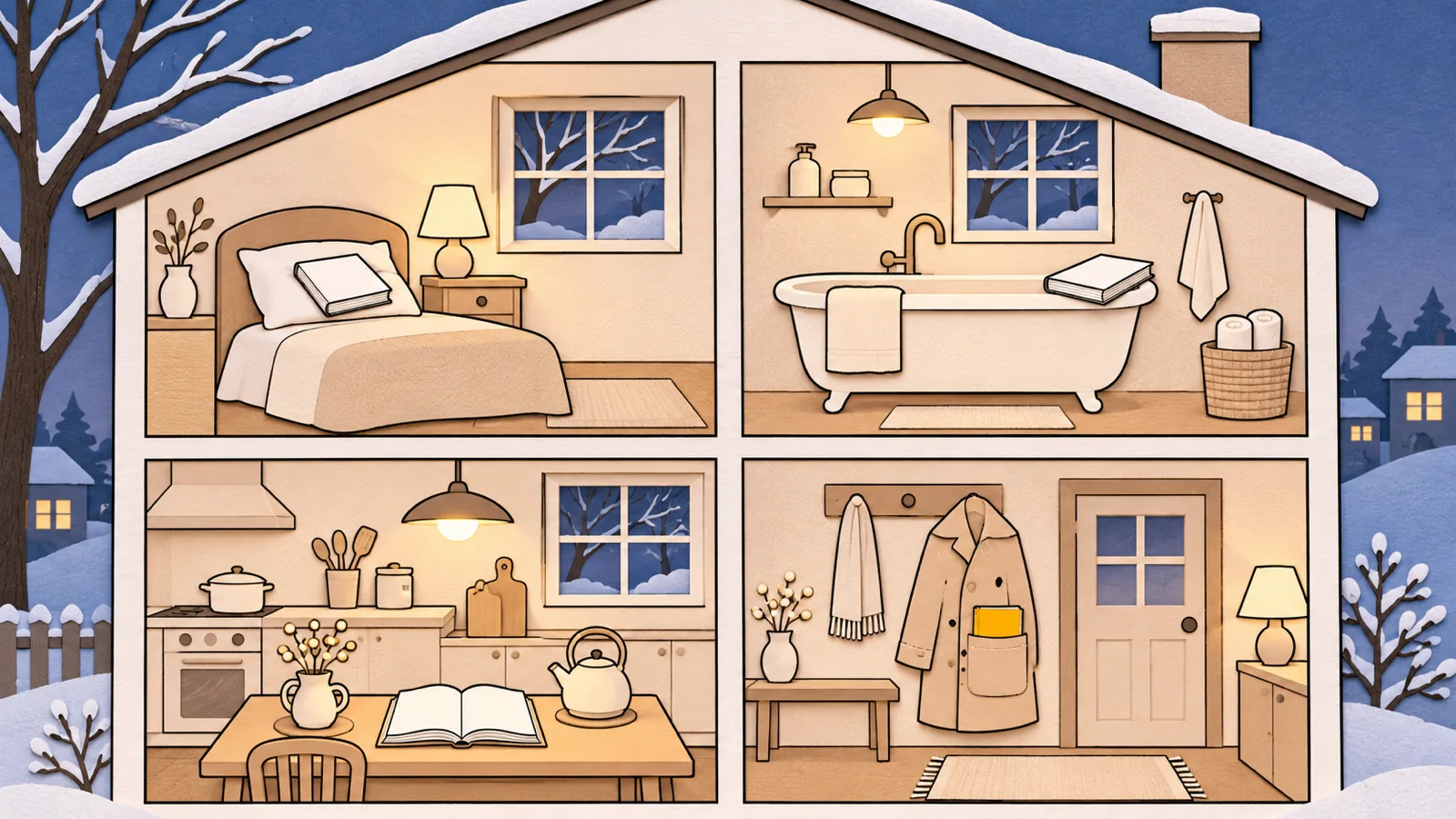
How to Read More Books: 15 Habits That Work
How to read more books: 15 habits that make reading automatic, why 20 minutes a day adds up to 22+ books a year, and how to read on your commute.
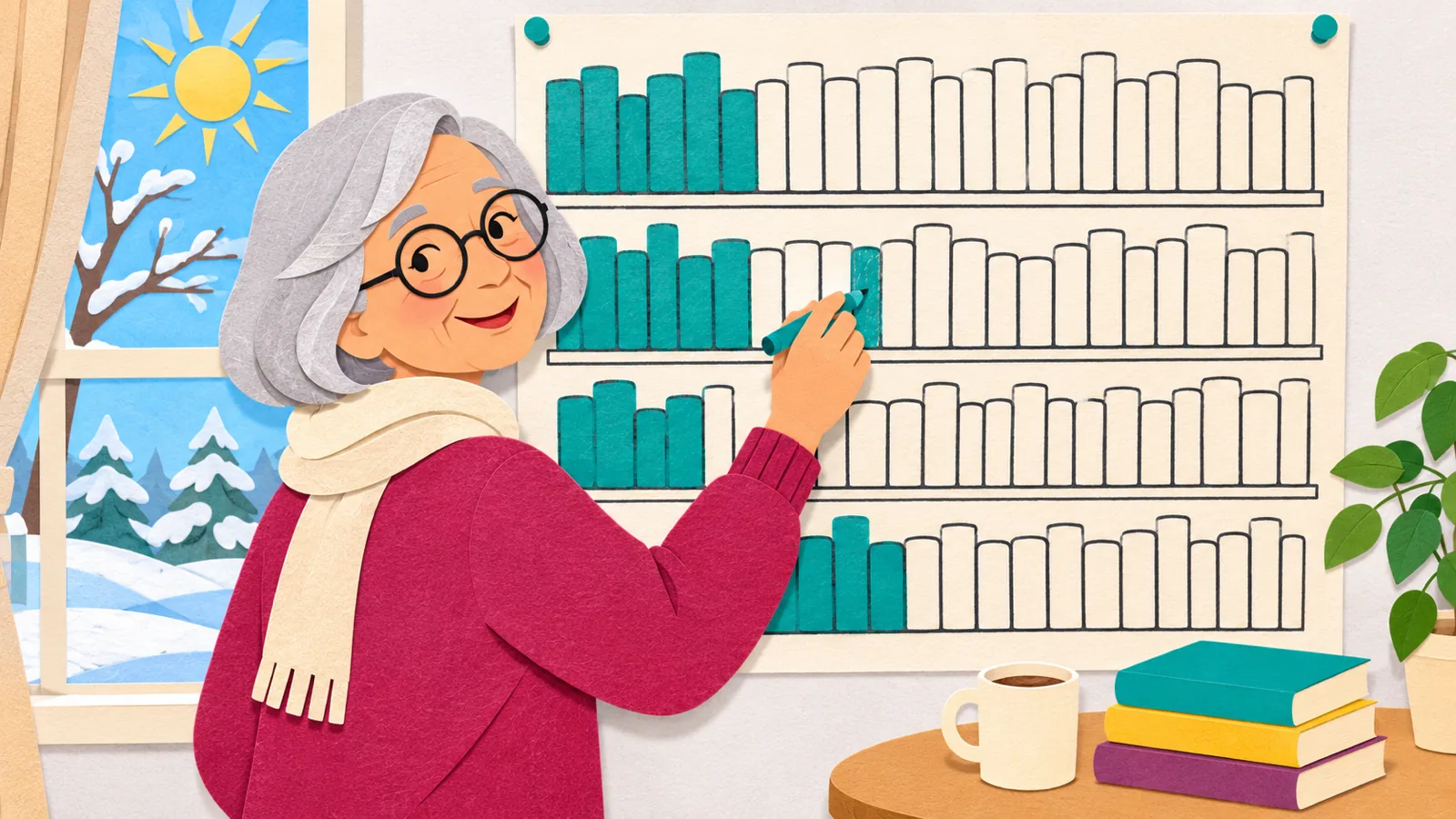
Reading Goals: How to Set and Track Them
Reading goals that stick: how to pick the right kind, do the minutes-per-day math, track progress in Goodreads, StoryGraph or Apple Books, and adjust.
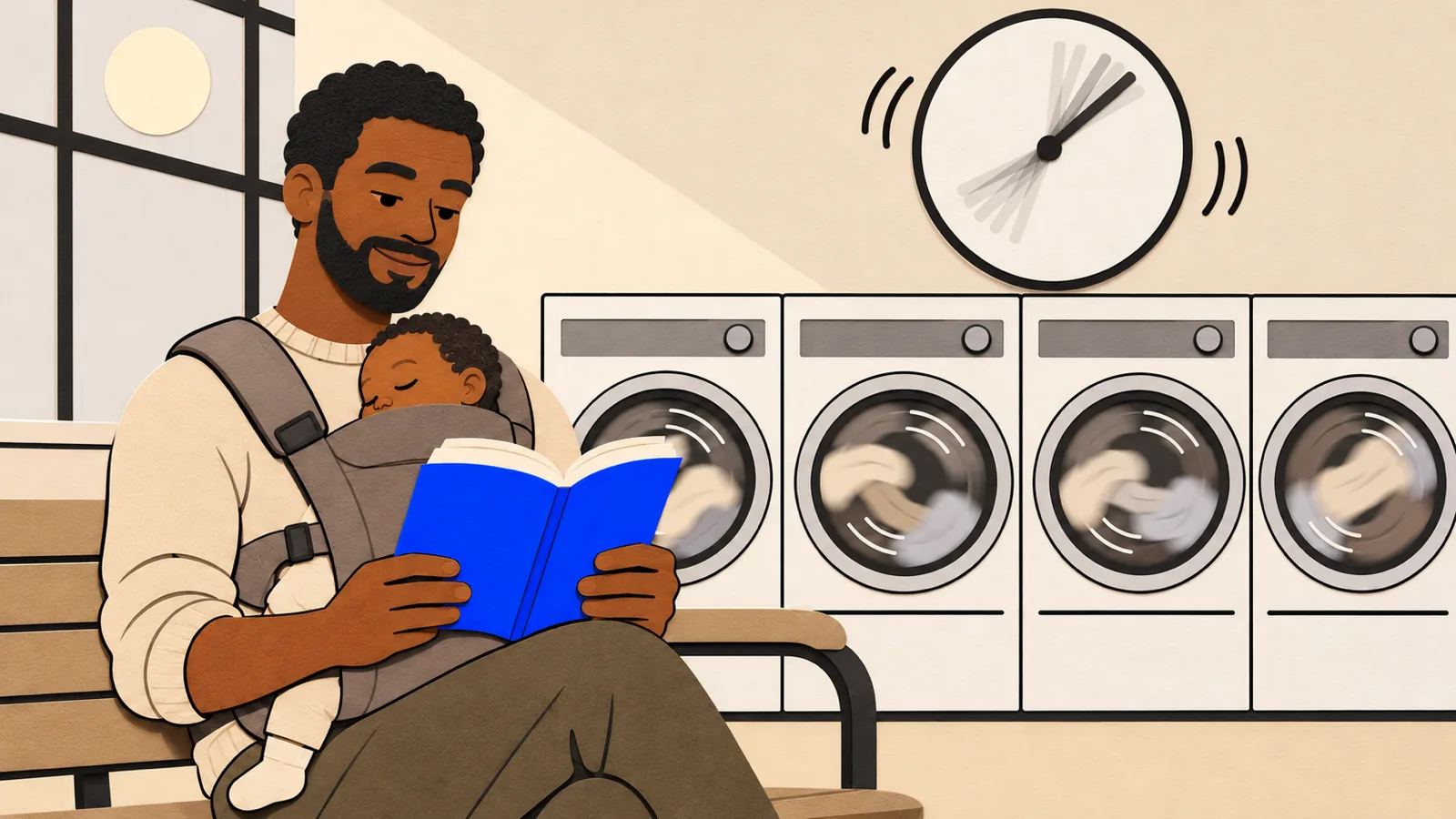
How to Read More When You Have No Time
How to read more when you have no time: 8 steps to find 20 hidden minutes a day, read in 5-minute gaps and listen on the go. About 22 books a year.