


How to Read More Books: 15 Habits That Work
How to read more books: 15 habits that make reading automatic, why 20 minutes a day adds up to 22+ books a year, and how to read on your commute.
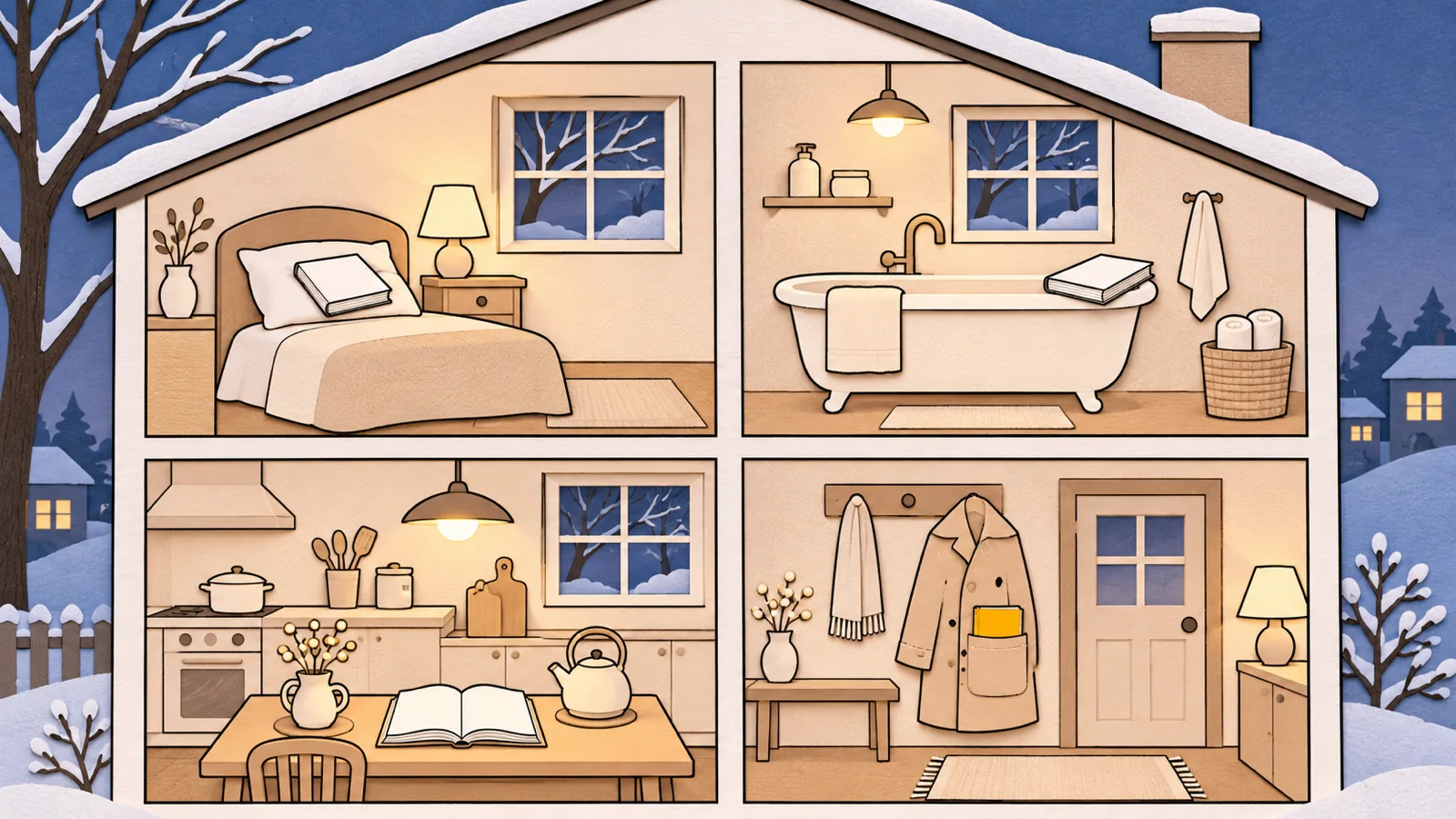
To read more books, read a small, fixed amount at the same time every day, keep a book closer than your phone, quit books you don't enjoy, and count audiobooks. Twenty minutes a day at an average reading speed is about 22 typical-length books a year.
Twenty minutes of reading a day is about 22 to 24 books of 80,000 words a year at an average adult reading speed.
Tie reading to something you already do every day, such as your morning coffee or getting into bed, so you never have to decide when to read.
Make the book easier to reach than your phone: a book on the nightstand, an e-book app on your home screen, social apps one swipe further away.
Listening counts. Audiobooks and text to speech turn commutes, walks and chores into reading time.
Quit books you don't enjoy and always know what you'll read next, so one bad book never stops the habit.
If you want to know how to read more books, the answer isn't more willpower. It's making reading the easiest option: read a small, fixed amount at the same time every day, keep a book closer than your phone, and count listening as reading. Twenty minutes a day is enough for more than 20 typical-length books a year.
Below are 15 habits that make that happen, the math on how much time you need, and fixes for the usual reasons people stall. You don't need all 15. Pick three, run them for a month, then add more.
How to read more books: the 15 habits at a glance
| # | Habit | Why it works |
|---|---|---|
| 1 | Set a tiny daily minimum | Small goals survive bad days |
| 2 | Attach reading to an existing routine | No daily decision about when to read |
| 3 | Keep a book within reach everywhere | Easy beats motivated |
| 4 | Put your phone out of reach | Removes the strongest competitor |
| 5 | Always know your next book | No gaps between books |
| 6 | Get a free library card | More books, zero cost |
| 7 | Count audiobooks and listening | More hours you can read in |
| 8 | Turn dead time into reading time | Commutes and chores become pages |
| 9 | Bundle reading with a treat | You look forward to it |
| 10 | Read in short pockets | Five minutes adds up |
| 11 | Quit books you don't enjoy | One bad book can't stop you |
| 12 | Read two books at once | Always one that fits your mood |
| 13 | Start with short, gripping books | Finishing builds momentum |
| 14 | Track what you read | Progress you can see |
| 15 | Make reading social | Gentle accountability |
How many minutes a day should you read?
Twenty to thirty minutes is enough for most reading goals. A review of 190 studies by Marc Brysbaert found that adults read silently at about 238 words per minute for nonfiction and 260 for fiction. At those speeds, an 80,000-word book takes about five to six hours.
| Reading per day | Words per day | 80,000-word books per year |
|---|---|---|
| 10 minutes | 2,380–2,600 | about 11–12 |
| 20 minutes | 4,760–5,200 | about 22–24 |
| 30 minutes | 7,140–7,800 | about 33–36 |
| 45 minutes | 10,710–11,700 | about 49–53 |
| 60 minutes | 14,280–15,600 | about 65–71 |
Speed reading won't shortcut this. A 2016 review of the research found a trade-off between speed and comprehension. The real task is finding 20 to 30 reliable minutes, and the habits below do exactly that. If you're aiming high, see how to read 50 books a year.
Habits 1–5: make reading the easy choice
1. Set a daily minimum you can't fail
Pick something tiny: 10 pages, one chapter or 10 minutes. On good days you'll read more; on bad days the minimum keeps the streak alive.
Don't panic about a missed day. In the UCL habit study by Lally and colleagues, a new daily behavior took an average of 66 days to become automatic, and a single missed day had little effect on progress.
2. Attach reading to something you already do
Choose a cue that happens every day and read right after it: "After I pour my coffee, I read." "When I get into bed, I open my book." Psyche's guide to building a reading habit calls this piggybacking on existing habits. The cue makes the decision for you. For a full plan, read how to build a daily reading habit.
3. Keep a book within reach everywhere
Put one book on your nightstand, one in your bag and one where you drink your coffee. Do the same on your phone: move your e-book or reading app to the home screen, in the spot where a social app used to be.
4. Put your phone out of reach
Your phone competes for every spare minute. Leave it charging in another room during reading time, or at least face down and out of arm's reach. Swap one daily scrolling session for reading and you've likely found your 20 minutes.
5. Always know what you'll read next
Reading streaks usually die between books, not during them. Keep a "next up" list of three to five titles, and put holds on library books before you need them.
Habits 6–10: find more time to read
6. Get a free library card
A library card gives you free books, and at many libraries it also lets you borrow e-books and audiobooks on your phone. Libby, the free borrowing app many public libraries use, needs only your library card. It runs on iPhone, Android and Amazon Fire tablets, and in a browser on Windows, Mac and Chromebook.
7. Count audiobooks and listening as reading
For most books, listening works just as well. A 2016 study by Rogowsky, Calhoun and Tallal found no significant difference in comprehension between adults who read, listened, or did both. Researchers tracking reading for pleasure count audiobooks and e-readers too. More on the debate in does listening to audiobooks count as reading?
8. Turn dead time into reading time
Commutes, walks, dishes, laundry and the gym are hours you can't spend with a paper book, but you can spend them listening. Use audiobooks, or listen to e-books and PDFs with text to speech.
To listen to books on your phone with Speechly:
- Install Speechly on iPhone, iPad or Android. You can start without an account.
- Open a book from the built-in catalog of 75,000+ free public-domain books, or import your own EPUB, PDF or Word file. You can also take a photo of a page from a printed book.
- Pick one of 25+ natural AI voices and set the speed anywhere from 0.5× to 2×.
- Press play and lock your phone. Speechly keeps reading with the screen off.
- Stop whenever you like. Your place is saved, and you can pick up on another device signed in to the same account.
On a Mac, select text in any app and press ⌘E to hear it in a small floating player, or open an EPUB or PDF and listen from the reading view. On Windows, select text and press Alt+R. Speechly doesn't read DRM-protected Kindle or Audible books; use those apps for books you bought there.
9. Bundle reading with something you look forward to
Save a favorite drink, a cozy chair or a gripping audiobook for reading time only. Researchers call this temptation bundling. In a field experiment by Katherine Milkman and colleagues, people who could listen to page-turner audiobooks only at the gym went 51% more often than a control group, though the effect faded over time. For reading, pair the book with a treat you only allow yourself while reading.
10. Read in short pockets
Waiting rooms, checkout lines and the five minutes before a meeting add up. Keep an e-book or audiobook ready on your phone so these pockets go to reading instead of scrolling. This matters most if you're short on time.
Habits 11–15: keep going after the first month
11. Quit books you don't enjoy
Give a book 50 pages or a few chapters. If you dread opening it, stop and start the next one. You aren't failing; you're protecting the habit.
12. Read two books at once
Keep two books going in different formats or moods: a novel on paper for the evening and a nonfiction audiobook for the commute. Pick ones that feel different so you don't mix up the plots.
13. Start with short, gripping books
Read what you enjoy, not what you think you should read. Short novels, novellas, essay collections and fast thrillers are great restarts, and finishing one builds momentum. A short book every few weeks also makes your yearly count climb faster.
14. Track what you read
Log each book in Goodreads, StoryGraph, a notes app or a paper journal. Seeing the list grow is motivating, and it shows you which books you actually enjoy. To set a target that sticks, see reading goals: how to set and track them.
15. Make reading social
Join a book club, start a buddy read with a friend, or share what you're reading once a week. Someone asking "how's the book?" is gentle, effective accountability.
Why can't I read books anymore? Common blockers and fixes
You're not alone. In a study of 20 years of American Time Use Survey data, the share of Americans who read for pleasure on a given day fell from 28% in 2004 to 16% in 2023. Here are the most common blockers and what to do about each.
- "I don't have time." Start with listening during time you already spend commuting or doing chores (habit 8), then add a 10-minute daily minimum (habit 1).
- "I pick up my phone instead." Move the phone, not your motivation (habit 4). Put a book where the phone usually sits.
- "I fall asleep when I read in bed." Move your main session earlier, such as with morning coffee or lunch, and keep bedtime reading as a bonus.
- "I keep losing focus." Try a lighter book, a shorter session, or listening while you follow the words on the page. These tips on how to stop rereading the same paragraph also help.
- "I start books and never finish them." Quit faster (habit 11), choose shorter books (habit 13), and keep your next book ready (habit 5).
- "I fell off the habit." Skip the guilt and restart with the smallest minimum. A missed day barely dents a habit, so the sooner you restart, the less you lose.
How to get back into reading: a 4-week plan
- Week 1: Pick your cue (habit 2) and a 10-minute minimum (habit 1). Choose one short book you're excited about.
- Week 2: Add listening to your commute or walks (habit 8).
- Week 3: Start tracking your books (habit 14) and write your next-up list (habit 5).
- Week 4: Keep what worked, drop what didn't, and add one more habit.
Read more books by listening with Speechly
If your problem is time, not interest, listening is the biggest single change you can make. Speechly reads e-books, PDFs, Word files, web pages and photos of printed pages aloud with natural voices and word-by-word highlighting. It runs on iPhone, iPad, Android, Mac and Windows, and one account covers every device. It's free to download, and the free plan includes two files with premium voices; Speechly Premium is $14.99/month or $139/year for unlimited listening.
Frequently asked questions
How many minutes a day do I need to read 50 books a year?
About 42 to 46 minutes a day at an average reading speed of 238 to 260 words per minute, assuming books of around 80,000 words. Shorter books, or audiobook time during commutes, bring the daily total down.
How long does it take to build a reading habit?
Expect about two months. In a well-known UCL study, a new daily behavior took an average of 66 days to become automatic, with a range of 18 to an estimated 254 days, and missing a single day made little difference.
Should I learn speed reading to read more books?
Probably not. A 2016 review of the research in Psychological Science in the Public Interest found a trade-off between speed and comprehension, so reading much faster usually means understanding less. Finding more minutes to read works better than reading each minute faster.
Is it better to read in the morning or at night?
Read at whichever time you can protect every day. If you read in bed, a print book is the safer choice: in a small 2015 sleep-lab study, people who read on an iPad before bed took nearly 10 minutes longer to fall asleep than when they read a printed book.
Should I finish every book I start?
No. Forcing yourself through a book you dislike is the fastest way to stop reading altogether. Give a book 50 pages or a few chapters, then move on without guilt.
What should I read to get back into reading?
Start with short, fast books in a genre you already like, a novel you have loved before, or a book tied to a show or film you enjoyed. Momentum matters more than ambition in the first few weeks.
Do e-books and audiobooks count toward a reading goal?
Yes. A book is a book in any format, and researchers who study reading for pleasure, such as the team behind a 2025 analysis of the American Time Use Survey, include e-books and audiobooks in their definition.
Listen with Speechly
Natural AI voices on iPhone, iPad, Android, Mac and Windows, with word highlighting and your place saved on every device. Free to download.
Prices and features of other products were checked on November 17, 2026 and can change. Speechly is not affiliated with the other companies named here.
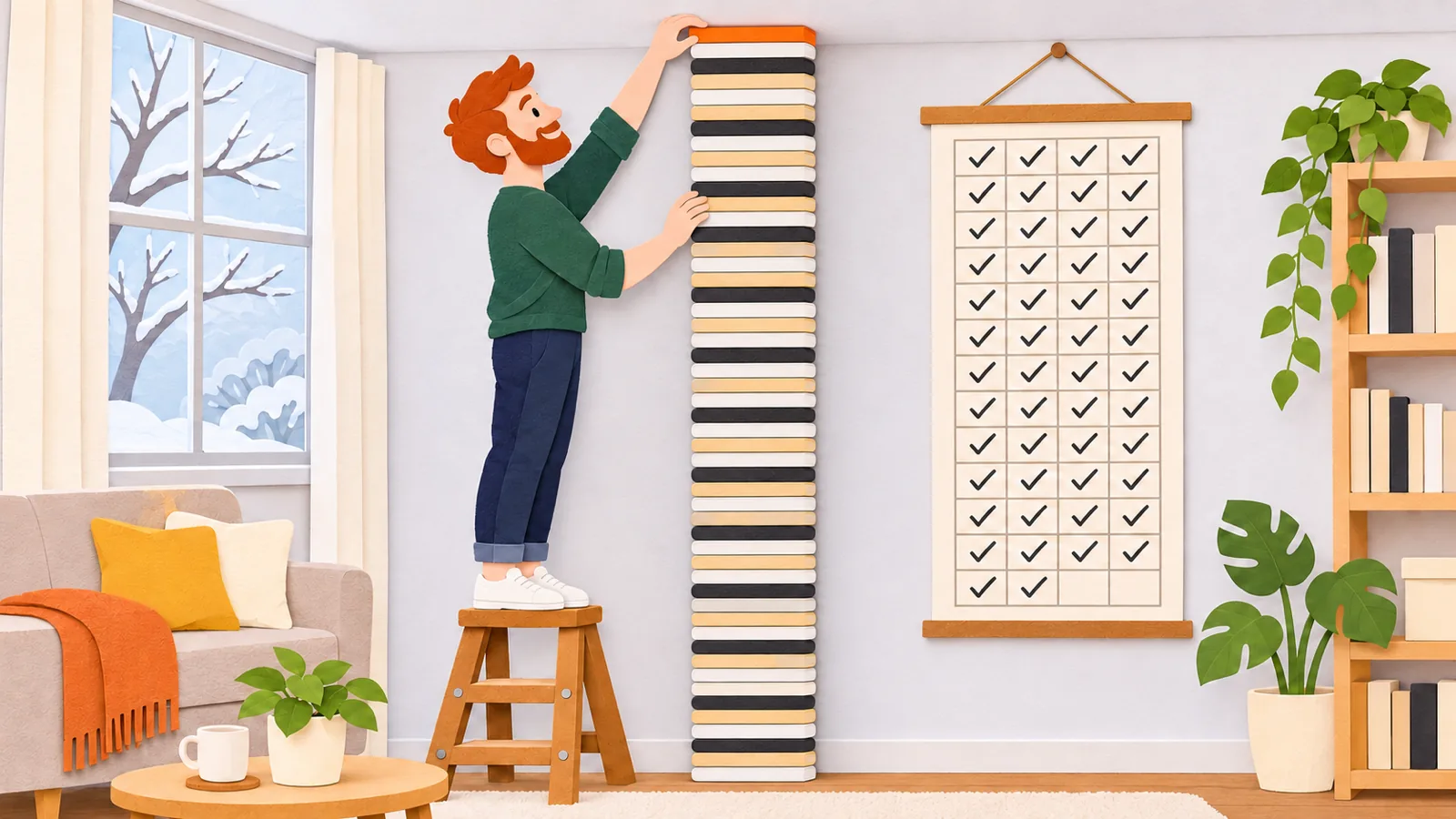
How to Read 50 Books a Year: The Math and a Weekly Plan
How to read 50 books a year with a full-time job: the real math (45 minutes or 41 pages a day), a 7-step plan, a sample day and fixes for falling behind.
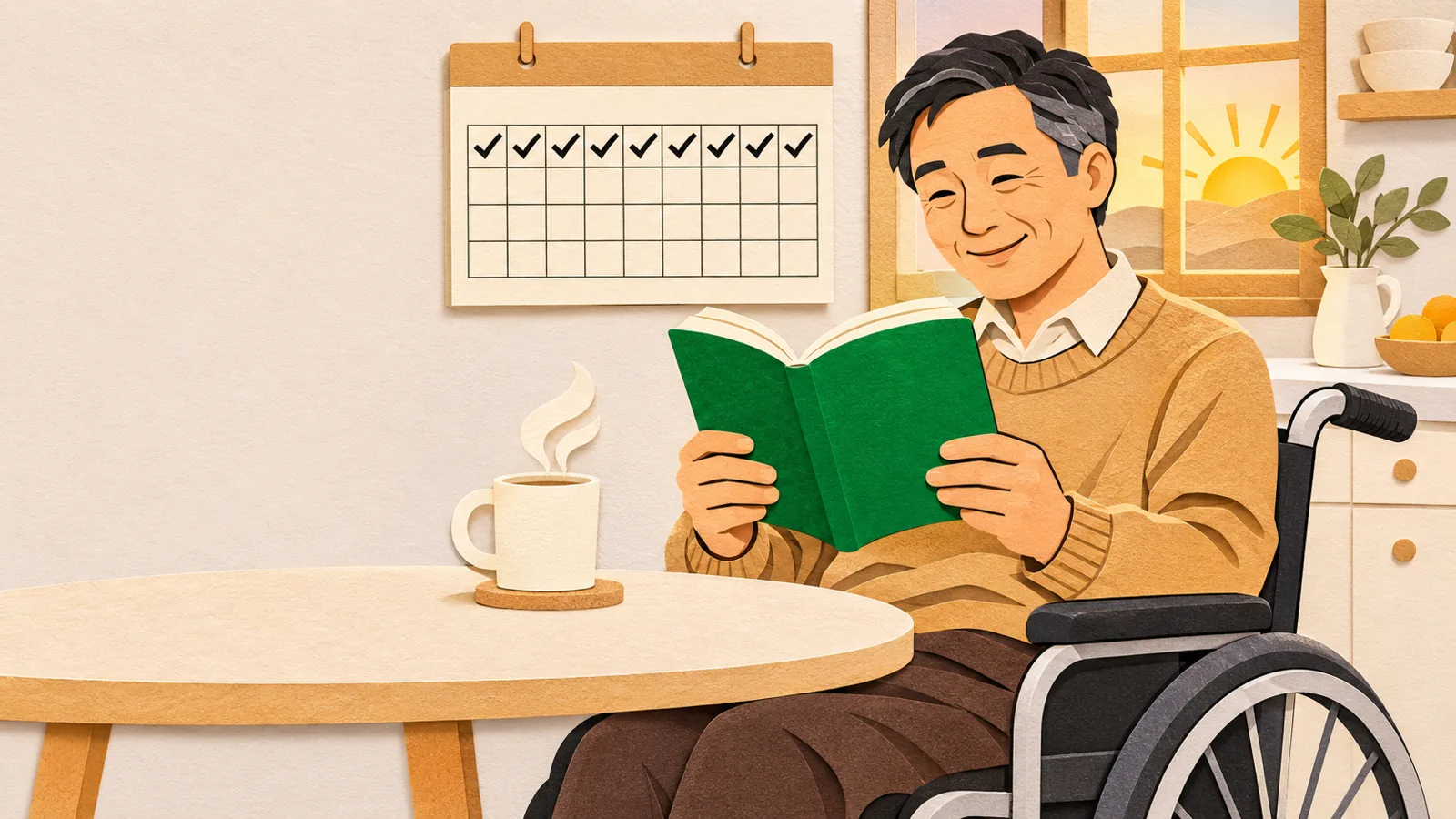
How to Build a Daily Reading Habit That Sticks
How to build a daily reading habit that lasts: a 7-step plan starting at 10 minutes a day, how long it really takes, and how to restart after a slump.
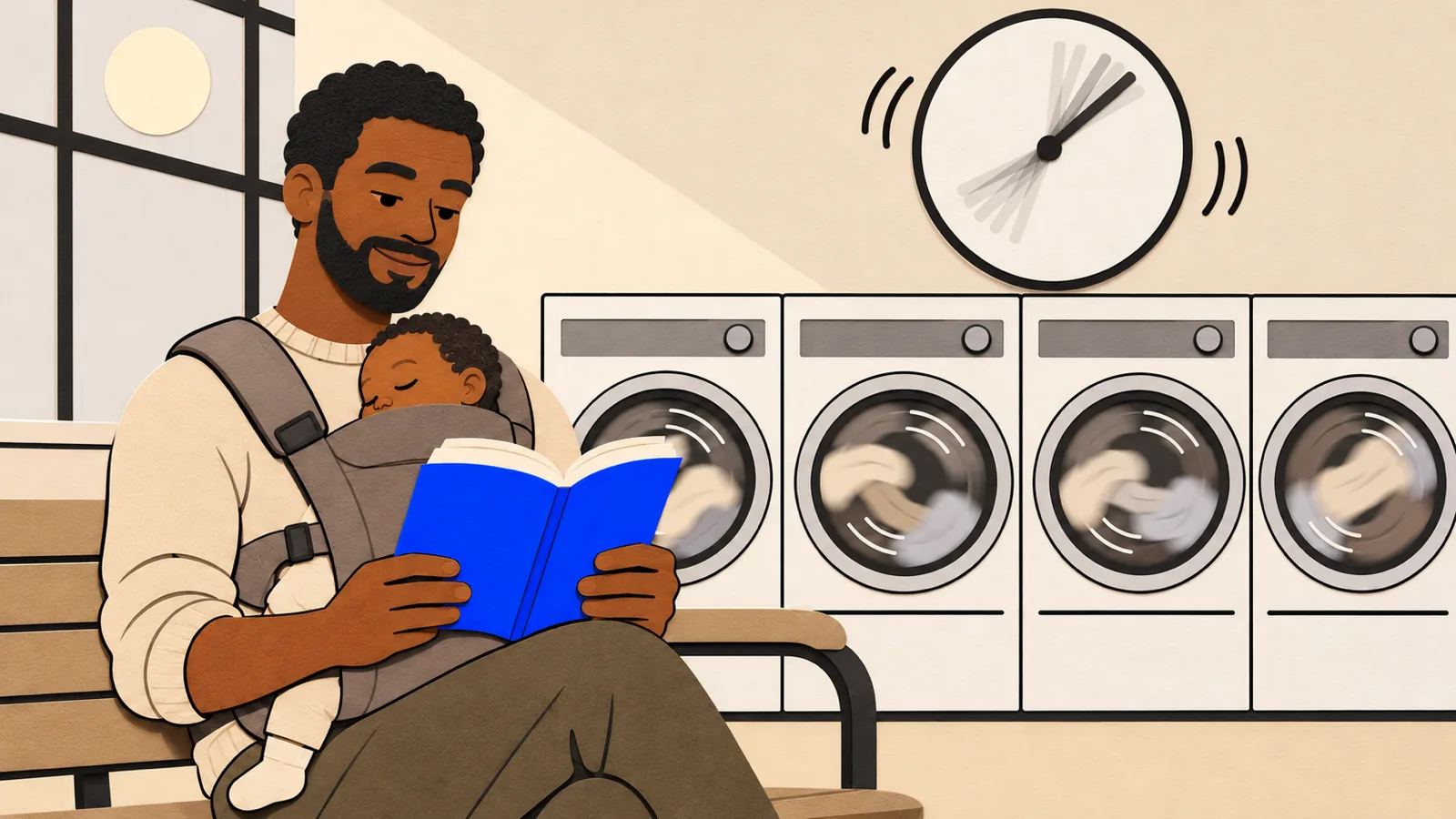
How to Read More When You Have No Time
How to read more when you have no time: 8 steps to find 20 hidden minutes a day, read in 5-minute gaps and listen on the go. About 22 books a year.